For forest-carbon developers
Trees Remove Methane
Through Their Bark
measured this uptake across upland forests. Current forest-carbon methods do not include it. SelvaFlux measures bark methane uptake and is developing a method that could allow registries to issue credits for that uptake.
Future credits would require an eligible host project, an approved methane method, measured net uptake above the applicable baseline, and independent verification.
Forest-carbon developers face costs long before credits can be sold.
Credit Revenue Often Falls Short of Project Costs
Many reforestation projects cannot cover their full development, measurement, and verification costs at current credit prices. Revenue also begins years after the first expenses. Projects that cannot raise capital during that gap do not proceed.
Demand Exceeds High-Integrity Supply
Buyers have made hundreds of millions in advance commitments for nature-based credits. The available supply of high-integrity projects remains limited. Many projects do not cover their full costs at the prices buyers currently pay.
Standard project accounts do not include methane uptake through tree bark.
Tree Bark Removes Methane From the Air
Methane is the second-largest contributor to current warming after CO₂. Microbes in tree bark remove methane from the air. Standard forest-carbon accounting does not include this uptake.
SelvaFlux measures the uptake and is developing the crediting methodology. Under an approved method, we would coordinate the independent verification required by the registry.
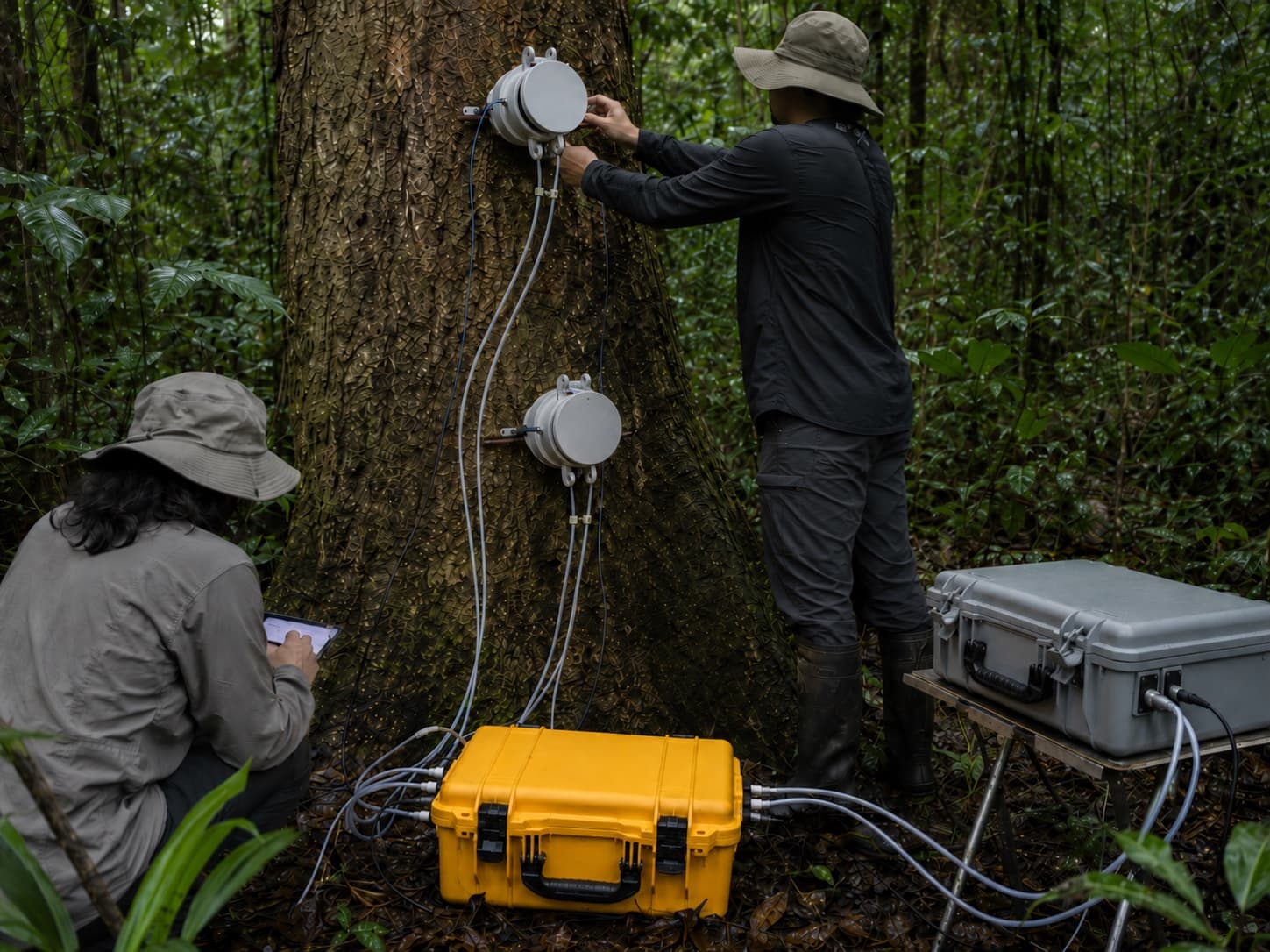
How We Measure Bark Methane Uptake
We measure methane uptake at tree bark and scale it across the site using field surveys, terrestrial laser scanning, and remote sensing. We are also developing the crediting methodology. Under an approved method, we would coordinate the independent verification required by the registry. Bark methane measurement does not require a change to forest management. Future credit eligibility would still depend on the host project’s baseline and additionality and on the requirements of an approved methane method.
Illustrative Annual Methane Revenue
This example assumes the developer receives 70% of methane revenue after an 18% buffer and a 10% leakage deduction. Methane is priced in dollars per tonne of CO₂-equivalent removal using GWP20.
| Project size | $20 / t | $50 / t | $75 / t |
|---|---|---|---|
| 1,000 ha | $14.1k | $35.2k | $52.9k |
| 10,000 ha | $140.9k | $352.4k | $528.5k |
| 50,000 ha | $704.7k | $1.76M | $2.64M |
The calculation uses 16.8 kg CH₄/ha/year at the mature warm-tropical reference rate and a GWP20 factor of 81.2. The deductions leave 73.8% of the methane quantity available for payment. The calculation then subtracts SelvaFlux’s proposed 30% share. The buffer and leakage deductions are financial assumptions. The calculation excludes other project costs and the methane-carbon adjustment, which has not been estimated. We have not yet measured how uptake develops as restored forests grow. Revenue depends on an approved method, site measurements and an agreed price. These prices are assumptions.
Methane Income Could Help Projects Cover Their Costs
If a registry approves a method and issues credits to a qualifying reforestation project, selling the credits could add annual revenue. Our model tests how that income changes the biomass credit price each area needs to earn a 12% return. Methane income lets some areas meet that return at a lower biomass price.
Across three assumed mixes of purchase prices, methane income could let projects on an additional 1.8 to 4.6 million hectares earn the required return. The model assumes the same price per tonne of biomass CO₂ and per tonne of CO₂-equivalent methane removal using GWP20. Meeting that return does not mean the land will be planted.
Host a pilot
No pilot is signed, and fieldwork depends on funding SelvaFlux is raising. SelvaFlux covers the field campaign budget. The host does not contribute to it.
What the host gets
- We assess the site’s methane potential.
- We report the results and their uncertainty.
- We estimate the site’s uptake for a later crediting assessment.
- The host receives priority for assessment under an applicable approved methane method.
What the host provides
- The host names a site and defines its boundary.
- The host provides site access on agreed dates.
- The host shares existing species and inventory records.
- The host commits staff time during the campaign.
- The host decides whether SelvaFlux may name the project publicly.
Pilot measurements do not create credits. Any future credit requires an approved method, an eligible host project, measured uptake above the applicable baseline, and independent verification. SelvaFlux plans for issuance in 2030 or later.
For crediting, SelvaFlux’s proposed share would be paid after the registry issues credits.
We estimate forest methane uptake across a country or region by combining satellite mapping with field measurements. These measurements would help governments assess whether forest methane uptake could be included in their greenhouse-gas accounts.
For governments and jurisdictionsSelvaFlux measures methane uptake. Other forest benefits remain outside the credit.
Advisor
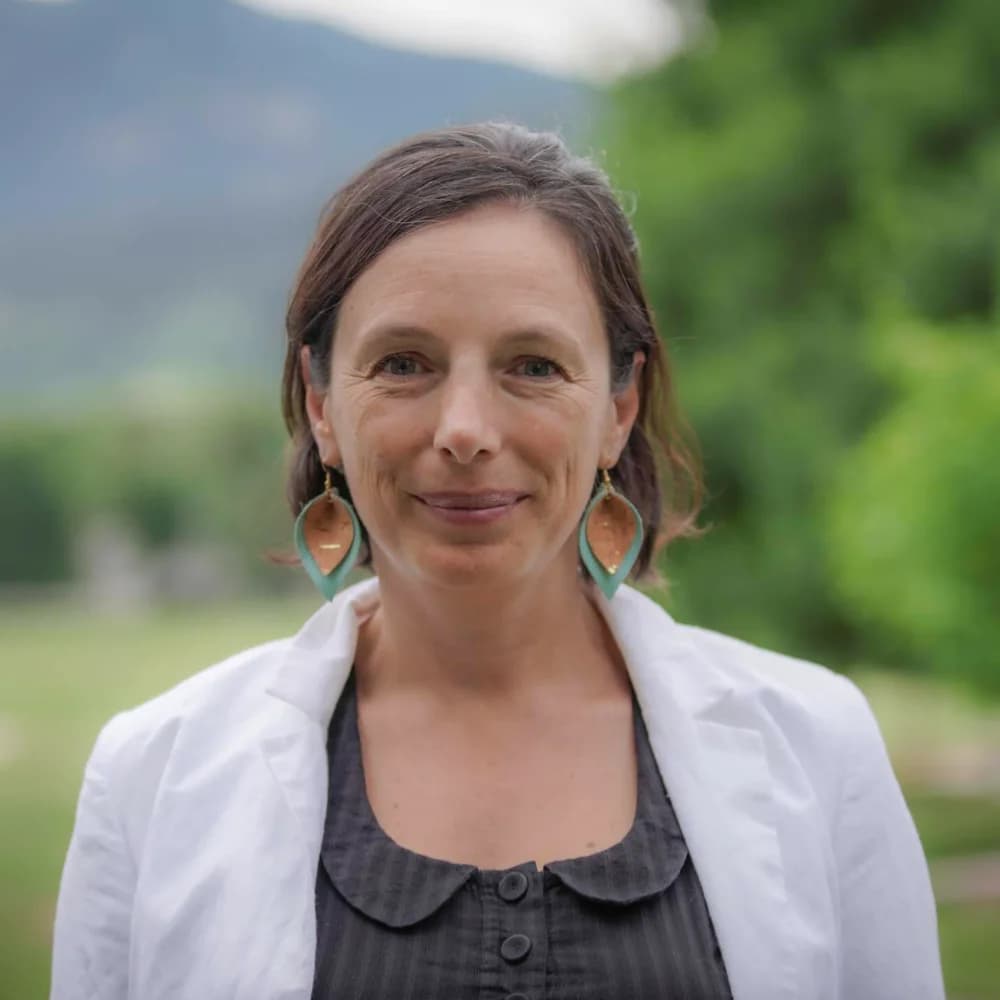
Jane Zelikova Advises SelvaFlux
Executive Director, Sustainability Research Initiative, University of Colorado Boulder
Jane is a climate scientist whose published work includes carbon cycling in tropical forest soils. Her work also covers carbon measurement and the scientific review of carbon-removal projects.